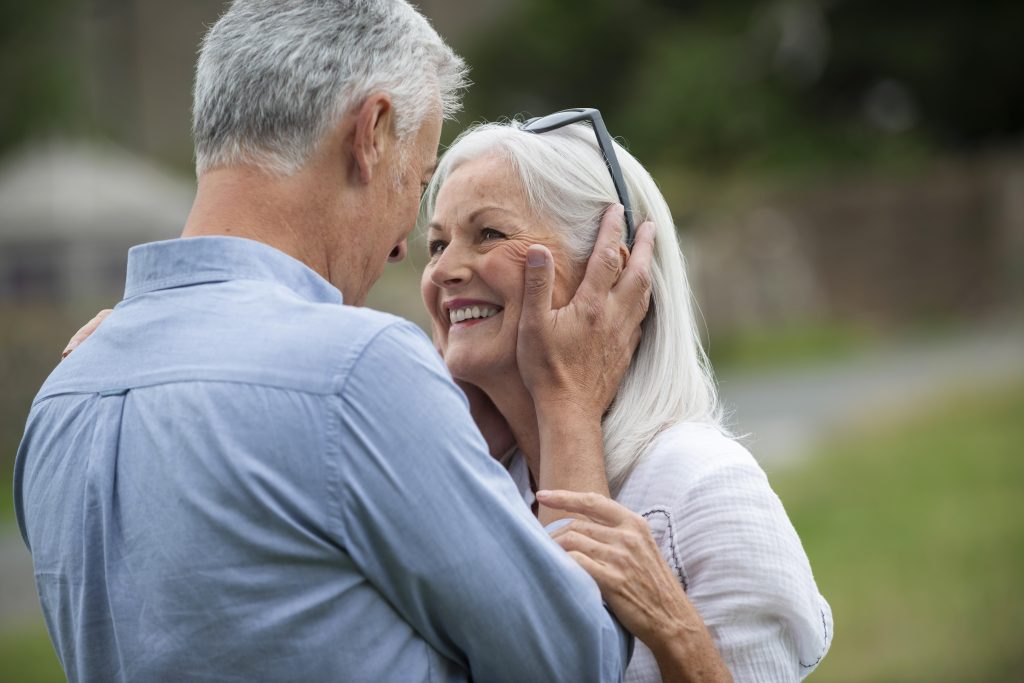
Dating after 50 is not about starting over from scratch. It is about starting from experience. Many mature singles reach a point where they feel curious about companionship again, yet wonder whether they are emotionally prepared. Emotional readiness plays a key role in shaping healthy, enjoyable dating experiences later in life. Before meeting someone new, it is worth taking time to understand where you truly stand emotionally.
What Emotional Readiness Really Means After 50
Emotional readiness is not simply the desire to date. It is the ability to connect with another person without carrying unresolved emotions into the relationship. After 50, people often bring rich life stories, meaningful memories, and lessons learned from past relationships. Being emotionally ready means you can reflect on those experiences calmly and engage with someone new without comparison, resentment, or emotional withdrawal.
How Life Experience Changes the Way We Date
Life experience naturally reshapes expectations. Earlier in life, dating may have been driven by excitement or urgency. After 50, priorities often shift toward emotional comfort, honesty, and shared values. Many mature singles value calm communication, mutual respect, and stability more than intensity. This change is not a loss—it is growth that allows relationships to feel more grounded and genuine.
Recognizing Emotional Patterns From Past Relationships
Past relationships often leave emotional patterns behind. Some people become overly cautious, while others give too much too quickly. Emotional readiness involves noticing these tendencies without judgment. Awareness allows you to make conscious choices rather than repeating habits that no longer serve you. Growth begins when patterns are understood instead of ignored.
Letting Go of Emotional Baggage Without Erasing the Past
Letting go does not mean forgetting. It means releasing emotional weight that no longer belongs in the present. Past relationships shape who we are, but they do not need to define future connections. When memories no longer trigger anger, sadness, or regret, emotional space opens for something new. Acceptance creates room for healthier and more balanced relationships.
Understanding Your Current Emotional Needs
Emotional needs change over time. After 50, many people value companionship, emotional safety, shared routines, and meaningful conversations. Understanding what you need now—rather than what you once wanted—helps create realistic expectations. When needs are clear, dating becomes more intentional and far less stressful.
Emotional Independence vs Emotional Availability
Being emotionally independent means feeling comfortable with your own life, routines, and sense of self. Emotional availability means being open to connection, communication, and compromise. These two qualities can exist together. In fact, emotional independence often makes availability stronger, as relationships become a choice rather than a necessity.
Signs You May Be Ready to Date Again
There are gentle signs that suggest emotional readiness. You may feel curious about others rather than guarded. You can talk about past relationships without strong emotional reactions. You enjoy your own life but welcome the idea of sharing it. You approach dating with interest rather than pressure. These signals often point to emotional balance and openness.
Signs You May Need More Time Before Dating
Sometimes, taking more time is a form of self-respect. If past experiences still cause anger, bitterness, or fear, it may be helpful to pause. Dating driven by loneliness or external pressure can lead to disappointment. Emotional readiness grows when you feel calm, grounded, and comfortable with your own company.
Managing Fear, Vulnerability, and Uncertainty
Fear is natural at any age. Dating after 50 can bring concerns about rejection, change, or emotional exposure. Emotional readiness does not mean fear disappears—it means fear no longer controls decisions. Vulnerability becomes easier when expectations are realistic and self-worth is not dependent on outcomes.
Setting Healthy Emotional Boundaries From the Start
Boundaries protect emotional well-being. Knowing how much to share, when to slow down, and how to communicate needs clearly helps relationships grow naturally. Healthy boundaries prevent emotional exhaustion and allow trust to build at a comfortable pace.
Why Emotional Readiness Leads to Better Dating Experiences
Emotionally prepared individuals often experience dating as more enjoyable and less confusing. Conversations feel easier, expectations are clearer, and disappointment is easier to handle. Emotional readiness supports better communication, deeper understanding, and stronger long-term potential.
Taking the First Step With Confidence and Clarity
Dating after 50 does not require perfection. It requires honesty, patience, and openness. When emotional readiness is present, dating becomes less about outcomes and more about connection. Confidence grows naturally when you know yourself and respect your own emotional needs.
Conclusion: Dating After 50 as a New Emotional Chapter
Emotional readiness is a journey, not a fixed destination. Dating after 50 offers an opportunity to connect with greater awareness, wisdom, and balance. When approached with clarity and self-understanding, this stage of dating can feel meaningful, rewarding, and deeply human. At bestmaturedatingsite.com, mature dating begins with emotional confidence and continues with genuine connection.
Leave a Reply